Challenging Extractivism in Energy Policy
Across the blackened sands of Thar, the sequestered rakh forests of Thal, and the dying waters of the Indus, the same pattern endures: decisions drafted in distant boardrooms become sentences of extinction for living ecologies. What is called “development” arrives as erasure.

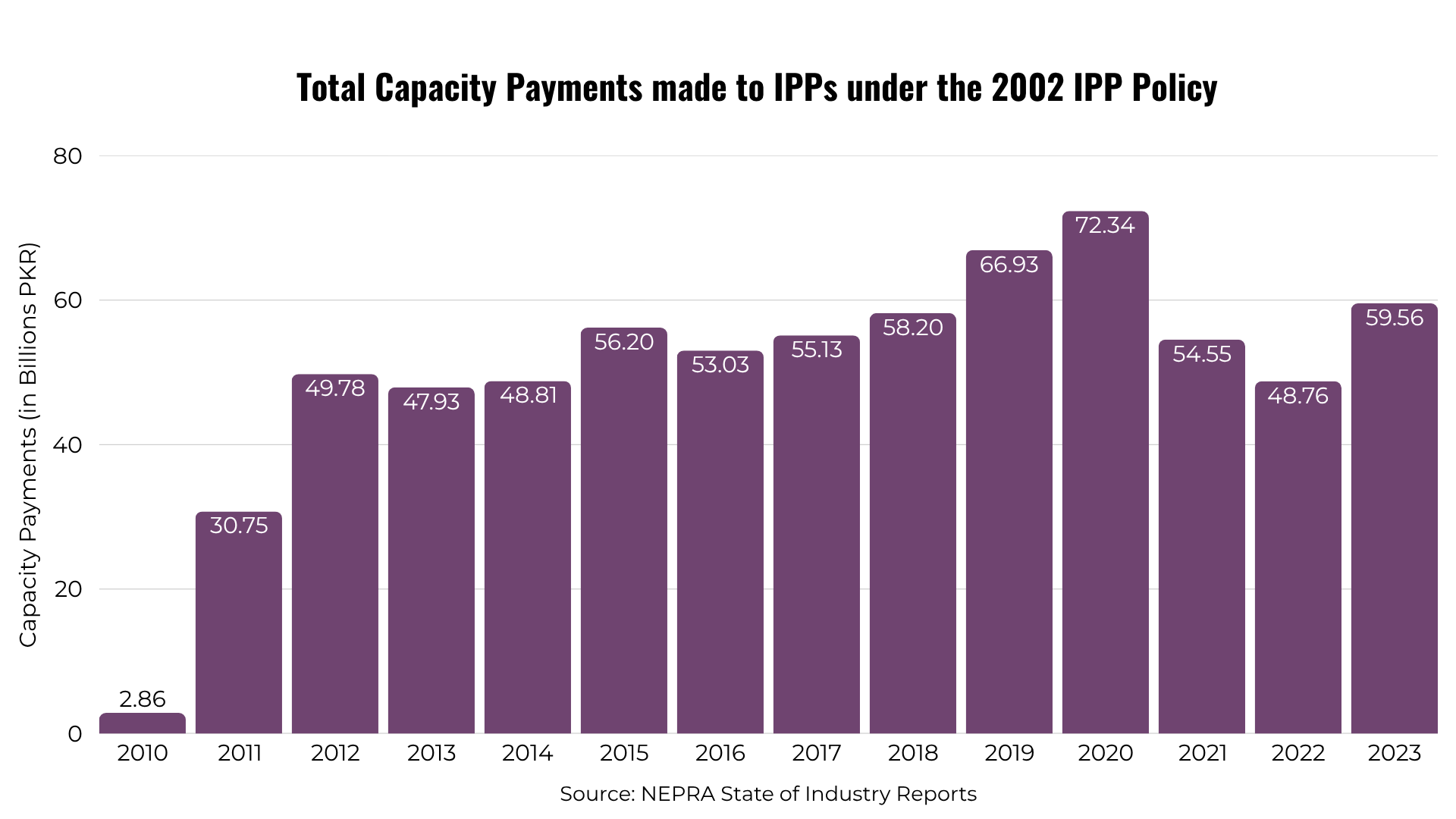
In recent years, Pakistan has been pushed into local coal mining in the name of energy sovereignty, along with large hydropower dams and land-grabbing solar parks disguised as “clean energy.” These transformations are not accidental—they have been driven by policies and financing from the World Bank and the Asian Development Bank (ADB). Earlier decades saw similar interventions under the banner of reform: privatization drives that entrenched fossil dependence, enriched private power producers, and left Pakistan with one of the most expensive electricity tariffs in the region. Today, millions of consumers still bear the burden of soaring capacity payments to oil and gas-based plants that reap guaranteed profits through state-backed contracts.
-
The Alternative Law Collective (ALC) stands with those rendered invisible by this progress — desert dwellers, fisherfolk, forest communities, and small farmers whose worlds are being unmade by projects they never chose. We resist energy policies scripted by multilateral development banks that dress extraction in the language of transition — expanding coal and gas while branding vast solar enclosures and hydroelectric dams as “green.” Whether fossil-based or falsely renewable, each of these projects extracts profit through dispossession, turning soil, forest, and river alike into collateral for another loan.
-
We also oppose large hydropower projects along the upper Indus that drown upstream valleys while starving the delta below. Projects such as Dasu and Madyan hydropower, financed under the World Bank’s so-called “green” portfolio, have already triggered displacement, cultural loss, and the erosion of delta livelihoods. Downstream, fisherfolk and mangrove-dependent communities face saline intrusion, species collapse, and a dying river. Our advocacy exposes that these projects are not climate solutions but extensions of extractivism—displacing climate risk onto those least responsible for it.
-
We stand with local communities fighting to preserve the rakh lands—the indigenous forests and desert ecologies of Thal—now being captured for large utility-scale solar projects promoted under the rhetoric of an energy transition. These “solar enclosures” mirror the same logic of dispossession that fuels coal extraction, fencing off ancestral commons in the name of progress. We reject every rhetoric of a green transition that erases the very people who have sustained these worlds for generations. A true transition must begin with those who know the land by heart — its rhythms, its limits, and its gifts — and who have safeguarded its soil, water, and winds long before the planners arrived.
-
As founding members of the Alliance for Climate Justice and Clean Energy (ACJCE) — a coalition of ten Pakistani climate and energy civil society organizations — we are helping build a nationwide network of affected communities reclaiming their authorship of energy justice. This network connects the struggles of coal-affected families in Thar, farmers displaced by solar parks in Punjab, communities living beside massive gas plants in the Siraiki Waseb, mountain peoples uprooted by hydropower in Swat and Kaghan valleys, and riverine populations resisting dam- induced scarcity downstream of the Indus.
Our alliance is united in rejecting the policies and institutions that perpetuate ecological debt and in demanding a just energy transition rooted in the relationships of people and their socio-natural worlds. Together with our partners, we strive to transform energy planning from a tool of exclusion into a process of collective empowerment — one where communities shape, own, and benefit from the transitions unfolding on their land.
-
ALC’s policy interventions before the National Electric Power Regulatory Authority (NEPRA) have challenged both the national generation and transmission expansion plans that risk locking Pakistan into a centralized, debt-driven, hydroreliant, and fossil-heavy future. Our advocacy exposes how energy modelling is skewed by the pre-selection of coal, gas, utility-scale solar, and large hydro projects, often declared “committed” before any environmental or least-cost evaluation, while community-based solar and wind initiatives are sidelined. These interventions have helped spark a national conversation on distributed, renewables-led planning and the inclusion of local knowledge in energy decision-making.
-
Our advocacy draws strength from the lived realities of Thar, where open-pit lignite mining and coal power plants have swallowed ancestral villages, poisoned groundwater, and displaced hundreds of families. Under the Sindh Engro Coal Mining Company (SECMC), over 3.6 million tonnes of lignite are mined annually—a figure projected to rise even as Pakistan faces intensifying droughts and heatwaves. The bulk of this coal feeds nearby power stations that have precipitated a regional water crisis. Communities in Thar have long warned that these projects violate their right to water, life, and a clean environment. Our interventions in energy policy and planning are also informed by alternative imaginations generated by the jirgas of Bahrain in Swat and the Sath tribunals in the Siraiki Waseb which model a form of energy justice ALC supports their struggles through legal aid, research, and advocacy—exposing how public subsidies, sovereign guarantees, and MDB-backed loans sustain unviable, carbon-intensive power at the cost of people and the planet. We envision an energy future rooted in equity and ecological integrity — one where communities, not multilateral Banks, entrenched lobbies and corporations, define the grid’s direction. Energy justice, for us, means power that serves people rather than displacing them.