Energy policy
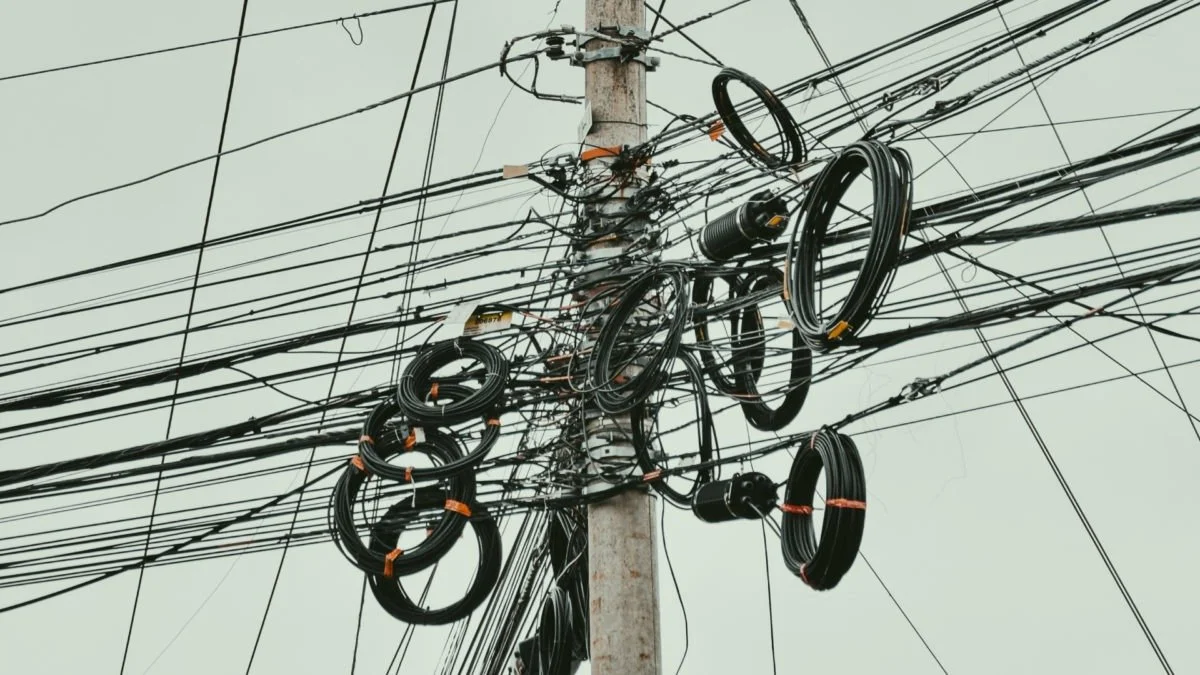
In recent years, Pakistan has been pushed into local coal mining in the name of energy sovereignty, along with large hydropower dams and land-grabbing solar parks disguised as “clean energy.” These transformations are not accidental—they have been driven by policies and financing from the World Bank and the Asian Development Bank (ADB). Earlier decades saw similar interventions under the banner of reform: privatization drives that entrenched fossil dependence, enriched private power producers, and left Pakistan with one of the most expensive electricity tariffs in the region. Today, millions of consumers still bear the burden of soaring capacity payments to oil and gas-based plants that reap guaranteed profits through state-backed contracts.
Chashma
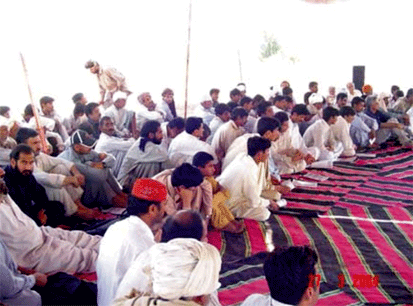
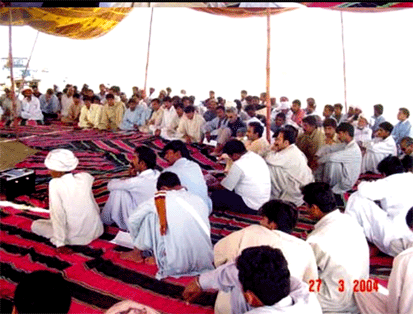
The Chashma Right Bank Canal (CRBC) created a world juxtaposed against many worlds in Daman. Daman was defined by people’s unique ways of being in and knowing those worlds, and by their capacity to sustain themselves through the strenuity of life that shaped Daman’s social and ecological fabric.
Thar coal
In 2008, the Government of Pakistan created the Thar Coal Energy Board (TCEB) following on from a 2002 policy to utilise the country’s indigenous coal reserves. The exploitation of these local lignite coal reserves was justified due to the high cost of electricity and growing circular debt in the energy sector. Much like every major power policy and project that preceded it, Thar Coal was presented as the light at the end of the tunnel for Pakistan’s energy woes. And much like all of the previous projects and policies, it has failed miserably whilst undermining and oppressing the local communities.
Fishing Communities
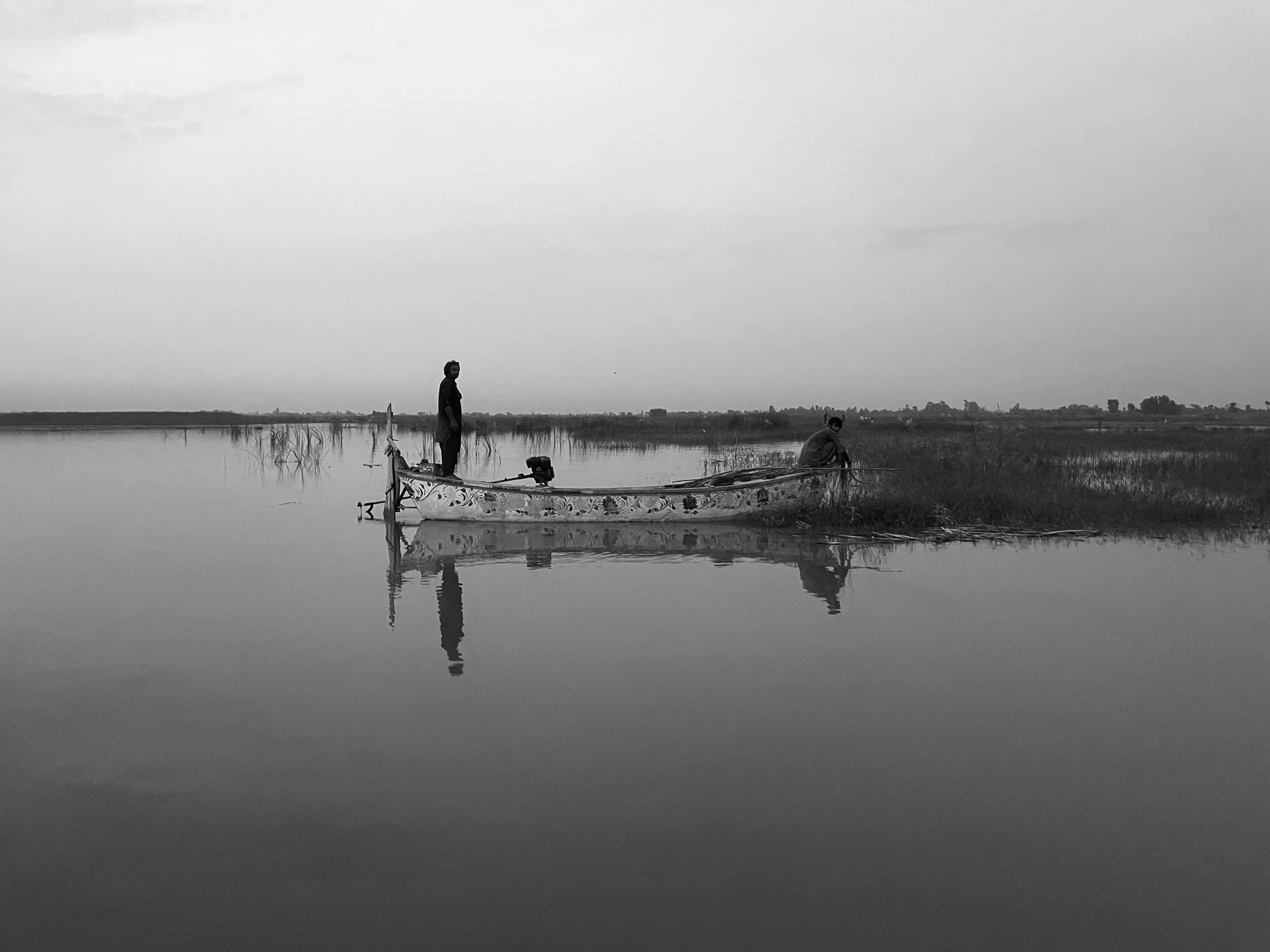
The Kihal & Mor people are one of the 600,000 people in Punjab who earn their livelihoods from fishing in public waters (rivers, lakes, ponds, and canals). Part of a number of established communities with distinct cultural formations around the river including the Mohanna and Jhabil people, the Kihal & Mor have historically held a diverse set of rights to fish in these waters. These communities have maintained their connection to the waters from time immemorial, living and dying on these waters, with traditional knowledge, social organization and a culture, formed by their connections to water geography and history.
Debt, Climate, and Accountability
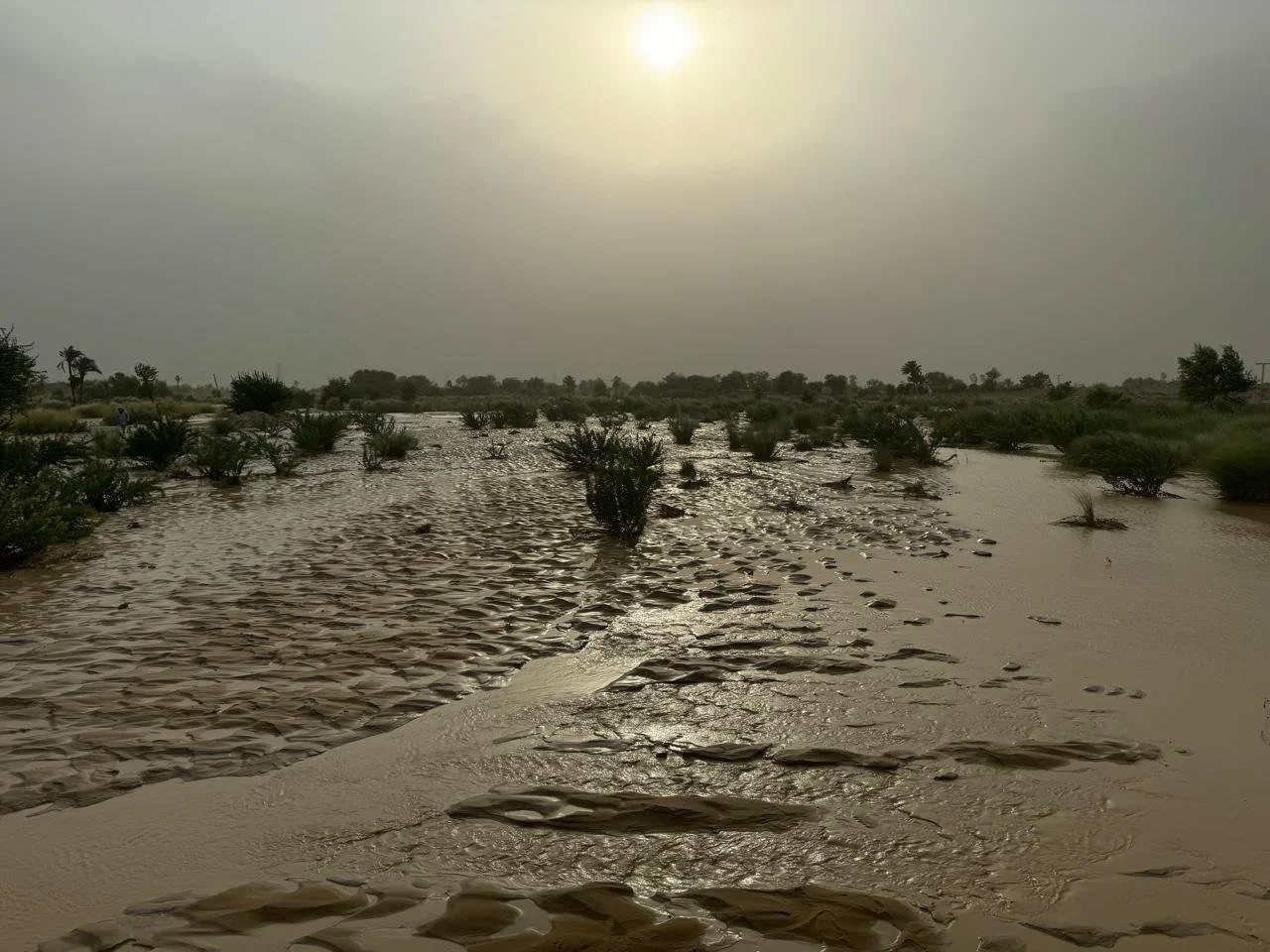
In the years since the Paris Agreement, international financial institutions (IFIs) such as the IMF, World Bank, and Asian Development Bank have rapidly recast themselves as champions of climate action. Yet, as countless environmental defenders around the world have observed—and as our work at ALC confirms—their climate rhetoric masks a deeply extractive and harmful reality. Behind the language of “resilience,” “stability,” and “green growth,” these institutions continue to impose austerity and debt regimes that devastate local communities and accelerate regional climate breakdown.
The Indigenous people of swat

The Torwali people of Bahrain Tehsil, Swat, number about 150,000 and have lived among the rivers, streams, and forests of the Swat Valley since before the Aryan migrations. Their way of life is inseparable from the landscape. They cultivate terraced fields along steep slopes, following local folklore preserved in Bahadar’s Almanac—an indigenous oral calendar that predicts weather patterns and allocates irrigation water through six time slots from dawn (zjaad) to late evening (zjaat), ensuring equitable distribution. Springs and mountain brooks remain their only sources of drinking and irrigation water, managed through customary rules.