
The Kihal & Mor people are one of the 600,000 people in Punjab who earn their livelihoods from fishing in public waters (rivers, lakes, ponds, and canals). Part of a number of established communities with distinct cultural formations around the river including the Mohanna and Jhabil people, the Kihal & Mor have historically held a diverse set of rights to fish in these waters. These communities have maintained their connection to the waters from time immemorial, living and dying on these waters, with traditional knowledge, social organization and a culture, formed by their connections to water geography and history.
Fishing, both a labour intensive and highly skilled profession, is often the sole source of livelihood for these communities, who have few, if any, landholdings, and few other social and economic opportunities for employment. Their numbers have increased over the decades as a result of migration from Sindh as water and fishing resources were dwindling downstream. This migration was often facilitated by established communities in Punjab given their social and historical connections to each other.
Given that these communities rely on public waters and the state's management and allocation of this public resource is crucial for their livelihood. As such the Punjab government had at least since the 1960’s, and even longer in certain areas, decided to lease out fishing rights in public waters to the highest bidder. This is done through the Punjab Fisheries Ordinance 1961. As such the highest bidder holds a monopoly over the rights to fish in these waters for a period of between 1-3 years. Whilst the scope of the statute includes the possibility of licensing (as well as making reference to the possibility of customary rights) of these public waters, the Department of Fisheries under their Rules and Schedules (from 1965) chooses to maintain the use of lease holding on the majority of its waters.
The consequences of this lease holding system has been ecologically devastating and has also resulted in inhumane working and living conditions for the majority of the fisher communities in these public waters, where relationships amounting to bonded labour have become entrenched. Informal surveys have estimated 80% of the fisher communities in Punjab as being indebted to the lessees. An in-depth evidence based academic study of one such fisher community in Dera Ghazi Khan has likened its state to the bonded brick kiln workers.
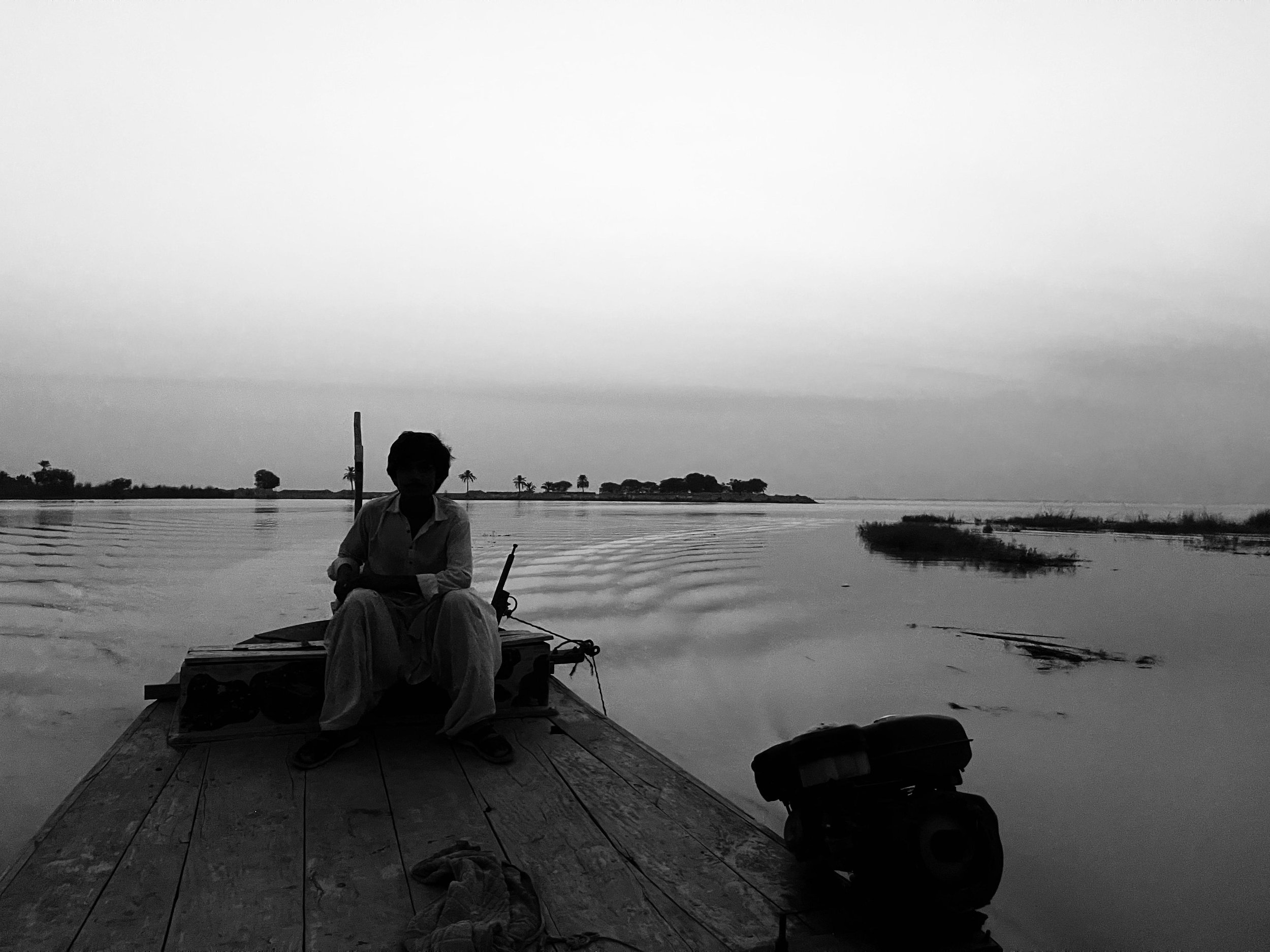
The fishing communities had made numerous representations to the government highlighting a range of issues that result from the leasehold regulation of public waters, with a particular focus on the prevalence of bonded labour in the sector. With nothing changing as a result of these representations a writ was filed at the Lahore High Court to no avail. It should be noted that it was in recognition of these conditions, caused by leasing, that the Sindh Government had amended its legislation ending the leasing of public waters and thereby signalling the end of bonded labour in Sindh. It remains remarkable that on a public resource the Punjab Government maintains a legal regime that directly creates conditions of bonded labour on these public waters.
Working with the Sindhu Bachao Tarla (a community based organization campaigning for the rights of fishers and adivasi communities along the river indus), Alternative Law Collective provided advocacy for their long struggle for rights. This collaboration produced a series of landmark interventions: detailed submissions before the National Commission for Human Rights, public interest litigation before the Lahore High Court, and annexed evidence that exposed the link between the leasehold regime, bonded labour, and ecological degradation. But beyond the courts, people’s tribunals were held, journeys to the river were undertaken, music, stories, poetry, and pilgrimages took over the usual forms of protest and complaint. At the center was the desire for self determination. Regardless of what the courts and the ledgers of capital stated, the people determined justice in their own courts, in their own ways.